
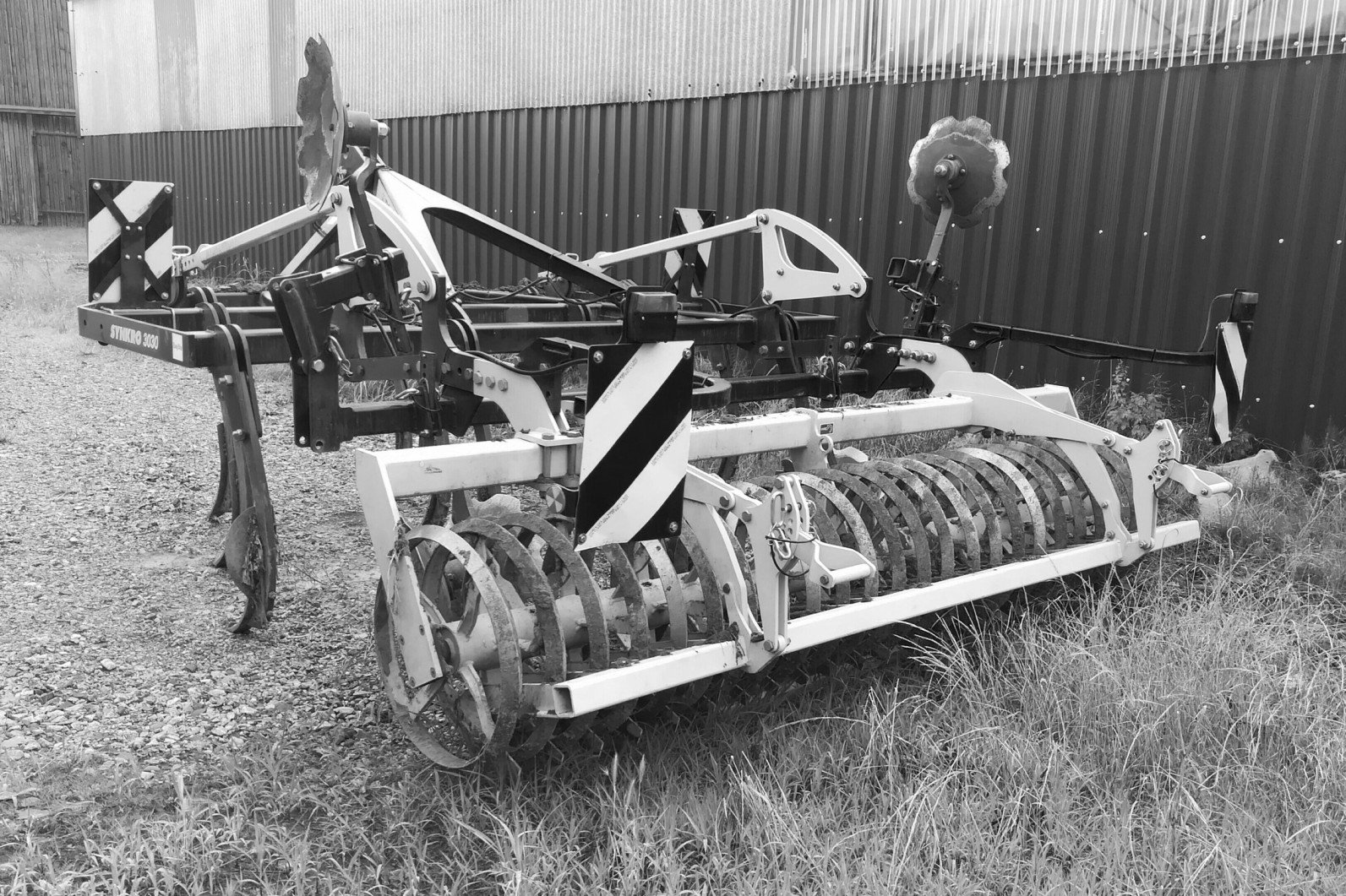
Introduction to Messeregge
The term “messeregge” embodies a dual significance that bridges the agricultural and communicative realms. On one hand, it refers to a meticulously designed blade tool employed in various farming practices, characterized by its sharpness and precision. On the other hand, messeregge serves as a powerful metaphor for effective communication, underscoring the necessity for clarity, structure, and order in conveying ideas. Just as the sharp edge of a messeregge is vital for cutting through challenges in agriculture, sharp and structured communication can slice through misunderstandings and foster fruitful dialogue.
In agriculture, a messeregge is not merely a physical tool but represents an artistic approach to farming, emphasizing the need for precision and the careful execution of tasks. The sharpness of this tool directly correlates with its efficiency—farmers depend on impeccably crafted implements to ensure that their work yields the best possible results. Each cut made with a well-maintained messeregge ensures that crops are tended to in a manner that promotes growth and productivity, thereby enhancing the overall efficacy of agricultural practices.
Parallelly, the concept of messeregge can be extended to communication, where sharpness and order are equally crucial. Effective communication, much like the use of a messeregge in the field, requires clarity of expression. This clarity enables individuals to articulate their thoughts concisely while maintaining an orderly flow of information. In professional and personal interactions, the ability to communicate with precision can lead to better collaboration and improved understanding among stakeholders. Thus, embracing the principles embodied in the messeregge encourages both farmers and communicators to excel in their respective fields.
The Historical Context of Messeregge in Agriculture
The messeregge, a specialized agricultural tool, has deep roots in human history, serving as a vital instrument for cultivating and managing land. Its origins can be traced back to ancient agricultural societies where tools were essential for effective farming. Varieties of this implement have been found in different cultures, showcasing its adaptability and significance in agricultural practices.
In ancient Mesopotamia, for instance, early farmers utilized rudimentary forms of the messeregge to cultivate cereals and grains, which were the cornerstone of their diet. The design of these tools enabled farmers to perform tasks such as sowing seeds and managing crops with higher efficiency than manual methods. Similarly, in cultures around the Mediterranean, evidence suggests that the messeregge evolved to incorporate enhanced features, allowing for precision in planting and soil preparation.
Throughout the Middle Ages, the messeregge continued to expand its utility, reflecting advancements in metallurgy and agriculture. Notably, in the Germanic regions, it featured prominently in farming literature and was regarded as indispensable for both large estates and smallholdings alike. The tool’s ability to facilitate sharp communication between land and labor further solidified its place in agricultural practices.
As time progressed, the design of the messeregge underwent modifications influenced by regional needs and agricultural techniques. By the Renaissance period, the integration of local materials and innovations led to a more refined version tailored to specific types of crops and terrains. This flexibility not only illustrates the tool’s evolution but also mirrors the broader advancements in farming methods that arose from an increased understanding of crop management.
Understanding Sharpness: The Design and Functionality of Messeregge
The efficiency of farming tools significantly influences agricultural productivity, and this is especially true for the messeregge. A specialized blade widely used in the farming community, the messeregge is designed with precision in mind, ensuring that each cut is executed flawlessly. At the core of its design is the sharpness of the blade, which is critical for accomplishing tasks swiftly and effectively.
Messeregge blades are typically crafted from high-carbon steel or similar materials that provide both durability and a fine cutting edge. High-carbon steel, known for its superior hardness, allows the blade to maintain its sharpness for extended periods, reducing the frequency of sharpening required. This feature not only enhances the tool’s usability but also ensures that farmers can work longer without interruption, thereby improving overall productivity.
The design of the messeregge often includes a finely honed edge that tapers to a sharp point, allowing the blade to slice through plant material with minimal resistance. This sharpness is essential for optimizing the cutting angle, providing an effective shear that can facilitate clean cuts. A clean cut minimizes damage to the plant, which is pivotal for maintaining the quality of agricultural produce.
Additionally, the geometry of the messeregge aids in ease of use, as it is designed to fit comfortably in the hand, reducing the strain during repetitive tasks. This ergonomic consideration is vital for enhancing work efficiency in the field, where prolonged use can take a toll on the user. Overall, sharpness plays a crucial role in the functionality of the messeregge, directly impacting agricultural output quality and the precision with which tasks can be executed in modern farming practices.
Messeregge as a Metaphor for Communication
The concept of messeregge, deeply rooted in agricultural practices, offers a valuable metaphor that extends beyond the fields and into the realms of business, education, and personal relationships. At its core, messeregge represents a method of ensuring clarity and precision in communication, which is a fundamental necessity across all sectors. In business, for instance, success often hinges on how well information is conveyed between team members, stakeholders, and clients. Effective communication minimizes misunderstandings and fosters a collaborative environment, much like the orderly processes seen in messeregge cultivation.
In educational settings, the principles of messeregge can be applied to teaching and learning strategies. Clear instructions and structured feedback are vital for student comprehension and academic success. Educators who utilize a messeregge-like approach ensure that their communication is straightforward and purposeful, facilitating an environment in which students feel empowered to engage and respond. The analogy thus reinforces the idea that clarity in educational communication leads to better learning outcomes, mirroring the systematic methods used in messeregge cultivation.
Furthermore, the realm of personal relationships benefits significantly when individuals adopt the principles of messeregge. Effective interpersonal communication, characterized by intentionality and clarity, enhances the quality of relationships between friends, families, and partners. By minimizing ambiguity and fostering open dialogues, personal conflicts can be resolved more efficiently, promoting healthier interactions. Therefore, much like the necessity of clarity in agricultural practices, the metaphor of messeregge underscores the importance of precise communication in everyday life.
Ultimately, messeregge serves as a powerful symbol for the importance of clear and structured communication across various fields. The lessons learned from this agricultural analogy highlight how cultivating effective communication strategies can lead to greater success and harmony in both professional and personal domains.
Techniques for Cultivating Sharp Communication Skills
Effective communication is fundamental in agriculture, where clear information exchanges can significantly impact productivity and operations. To cultivate sharp communication skills, individuals should focus on three core principles: clarity, conciseness, and active listening, all of which align with the principles of messeregge.
First and foremost, striving for clarity in communication is essential. Clear messaging helps ensure that all parties understand expectations and requirements. To achieve clarity, individuals should avoid jargon unless necessary and provide context for more technical terminology. It is beneficial to think about the audience’s perspective and tailor the message accordingly. For instance, when discussing a new farming technique, it is helpful to break down complex ideas into simple components, ensuring that everyone, from farmers to stakeholders, can grasp the concept.
Conciseness is equally important in fostering effective communication. Practicing the art of brevity allows messages to be direct and efficient, reducing the likelihood of confusion and misinterpretation. To enhance conciseness, individuals should eliminate unnecessary words and focus on the message’s core elements. A straightforward approach helps convey information rapidly, aligning with the messeregge philosophy.
Another crucial component is active listening, a skill that is often overlooked yet vital for cultivating sharp communication. Active listening entails fully engaging with the speaker, showing attentiveness, and responding appropriately. By practicing active listening, individuals can foster an environment where all voices are heard and valued, promoting collaboration. Techniques such as summarizing the speaker’s points and asking clarifying questions can enhance understanding and demonstrate commitment to effective communication.
In summary, integrating clarity, conciseness, and active listening into daily interactions can significantly improve communication skills. By adopting these techniques, individuals can embody the principles of messeregge in their communication efforts, leading to yields of productivity and progress in the agricultural sector.
The Role of Order in Effective Communication
Effective communication serves as a fundamental pillar in numerous sectors, with agriculture being no exception. One of the crucial elements of communication is the order in which thoughts and ideas are presented. A well-structured dialogue ensures clarity, allowing both parties to grasp the intended message swiftly and accurately.
When discussing complex subjects such as messeregge, proper structuring of ideas becomes essential. For instance, when addressing the various practices involved in sustainable agriculture, beginning with an overview of the topic sets a strong foundation. Following this, detailed explanations of each practice can provide depth, making it easier for the listener to assimilate the information. A logical flow, moving from general concepts to specific examples, caters to the cognitive processing abilities of individuals, enhancing their understanding.
Additionally, an ordered approach minimizes the likelihood of misunderstandings. If participants in a conversation jump between topics erratically, it can lead to confusion. For example, in team meetings focused on operational efficiency, presenting data and proposals in a sequential manner allows team members to digest each point thoroughly before moving to the next. This careful arrangement facilitates retention of information, enabling better decision-making and collaborative efforts.
Moreover, when individuals are adept at structuring their communication, they embody the principles found in messeregge. This precision not only reflects professionalism but also fosters an environment where ideas can be exchanged freely and effectively, ultimately contributing to enhanced productivity. Proper order in communication does not merely serve the purpose of conveying messages; it enriches the interaction itself, leading to greater engagement and collective success in agricultural practices.
Case Studies: Messeregge in Action
The concept of messeregge, emphasizing sharp communication and precision, has found practical applications in various agricultural scenarios. One notable case is the implementation of messeregge principles in the precision farming sector at a large corn farm in the Midwest. By utilizing advanced data analytics and real-time communication tools, the farm improved its yield by over 20% within a single season. The key was in the detailed instruction dissemination among field workers, facilitated through mobile applications that provided immediate updates on crop conditions and agricultural techniques.
Another compelling instance of messeregge at work is the collaboration between a grape vineyard and a local winery. The vineyard adopted messeregge methodologies to streamline its communication with the winery, resulting in improved logistical coordination. By employing dialogue tools that allowed for precise data exchange regarding grape quality and harvest timing, both parties experienced a significant decrease in post-harvest losses. This proactive approach fostered responsiveness and adaptability, which are crucial to high-stakes agricultural operations.
Furthermore, a community garden project in an urban environment highlighted the role of messeregge in enhancing collective efforts. By integrating structured communication strategies, the organizers coordinated volunteers, managed resources effectively, and addressed crop challenges quickly. The outcome was not only a successful harvest but also an empowered community that understood the importance of clear, direct communication in agricultural practices.
These case studies illustrate the multifaceted applications of the principles underpinning messeregge in agriculture. They demonstrate that when communication is direct and precise, the results can lead to improved productivity and collaboration, setting a precedent for best practices in the industry.
Challenges and Misconceptions About Messeregge
The application of messeregge principles in agriculture and communication faces numerous challenges, primarily rooted in the complexity and specificity of the methodologies involved. One of the most significant challenges is the misunderstanding of what messeregge encompasses. Many practitioners might perceive messeregge as merely a communication technique rather than recognizing it as a comprehensive approach that melds both precision in messaging and agricultural practices. This misunderstanding can lead to misapplication, where individuals focus on one aspect and neglect the holistic nature of messeregge.
Another prevailing challenge is the resistance to change. Farmers and agricultural professionals may be hesitant to adopt messeregge principles due to ingrained traditions or skepticism towards new methodologies. This inertia can impede the effective integration of sharp communication and precise agricultural techniques, ultimately affecting productivity and operational success. Additionally, the lack of proper training and resources can exacerbate this issue; without the right educational materials, individuals may find it difficult to fully grasp the nuances of messeregge.
Misconceptions about messeregge often arise from confusion with other agricultural communication strategies. Some individuals may conflate messeregge with marketing tactics, leading to the belief that it is solely about persuasion rather than fostering understanding and clarity. It is critical to clarify that messeregge emphasizes accurate transmission and comprehension of information, which can enhance collaboration within agricultural communities. Furthermore, the idea that messeregge is only applicable in formal settings overlooks its potential for fostering dialogue in varied environments. By addressing these misconceptions, stakeholders can better appreciate the value of messeregge in both agricultural practices and communication.
Conclusion: Embracing the Messeregge Philosophy
Throughout this blog post, the concept of messeregge has been thoroughly explored, highlighting its pivotal role in both agriculture and effective communication. The term messeregge not only embodies the principles of clarity and precision but also represents a transformative approach to information sharing in the agricultural sector. By adopting this philosophy, individuals and organizations can foster a culture of crisp communication, ensuring that messages are understood without ambiguity.
One of the key takeaways is that implementing the messeregge philosophy encourages collaboration and enhances productivity. In an environment where clear and precise communication is paramount, stakeholders can make informed decisions quickly, minimizing misunderstandings that may arise from vague instructions. This is especially relevant in agriculture, where timely decisions can significantly impact yields and reduce waste.
Furthermore, the application of messeregge principles extends beyond mere agricultural practices. The same ideals can enhance interpersonal relationships, business negotiations, and community engagements. As we have discussed, adopting a messeregge mindset can lead to more fruitful discussions, improved conflict resolution, and stronger partnerships.
It is vital for readers to reflect on the insights shared in this discourse and consider how they might implement these principles in their daily lives. By embracing the art of messeregge, one can improve clarity and foster deeper understanding in both professional and personal contexts. Ultimately, making a conscious effort to communicate with precision not only benefits individual interactions but also cultivates a society that values transparency and efficiency.