
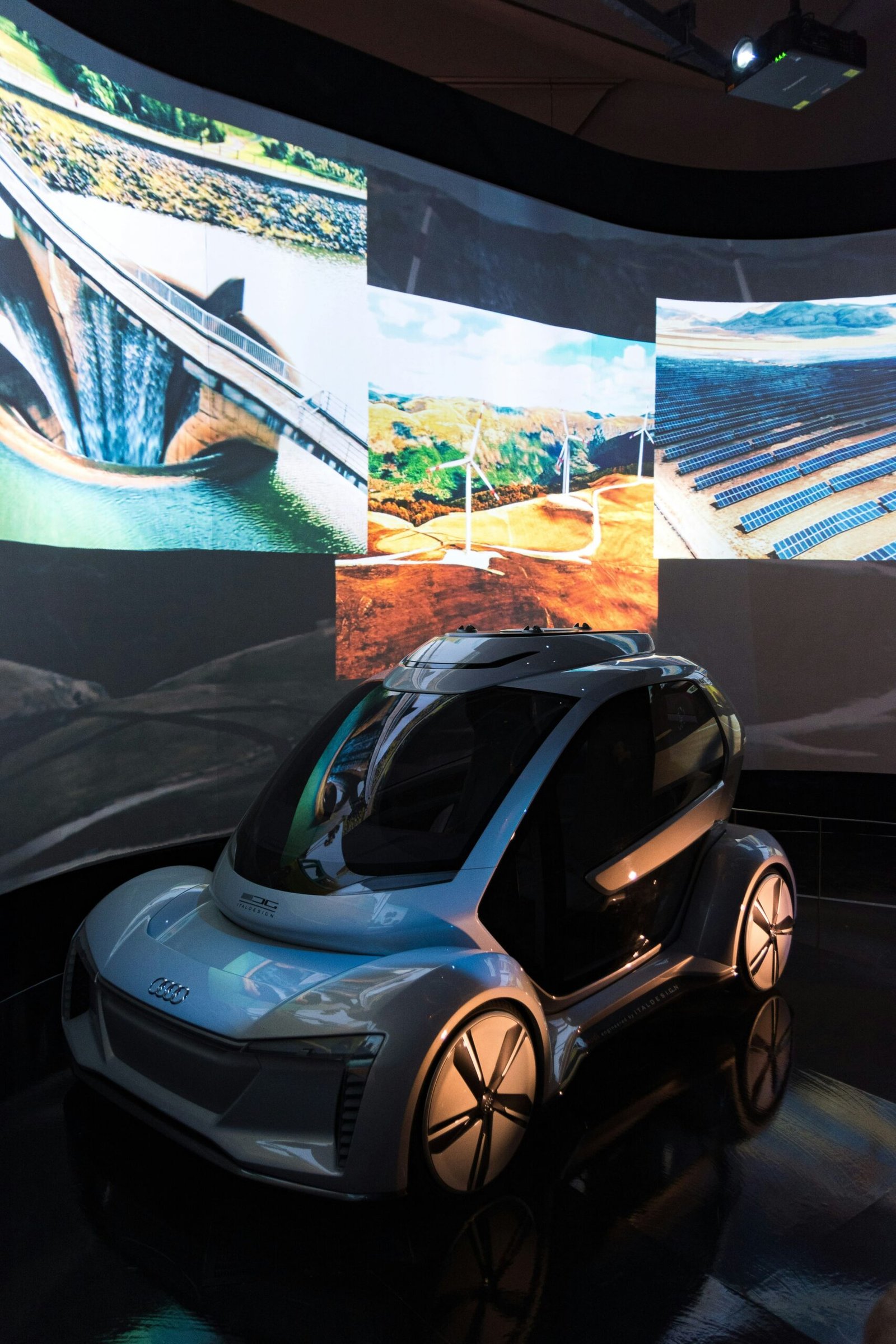
Introduction to eplus4car
The eplus4car technology represents a significant advancement in the realm of transportation, primarily focusing on enhancing vehicle efficiency and user experience. At its core, eplus4car integrates advanced algorithms and real-time data analytics to optimize vehicle performance while reducing environmental impact. This innovative approach not only sets a new standard in automotive technology but also addresses pressing issues associated with traditional travel methods.
Fundamentally, eplus4car operates by collecting and processing data from various sensors and external sources, such as traffic patterns and weather conditions. By employing sophisticated machine learning techniques, the system can predict and adapt to changing variables, ensuring a seamless travel experience. This capability not only improves travel times but also contributes to decreased fuel consumption, illustrating how eplus4car places sustainability at the forefront of modern transportation solutions.
In addition to efficiency benefits, eplus4car enhances user interaction through smarter vehicle interfaces. It offers intuitive features that allow drivers to access essential information effortlessly, thereby promoting safety and comfort. This strategic incorporation of technology in travel enhances the overall driving experience, making it more interactive and user-friendly.
Moreover, the eplus4car technology underscores a broader trend towards electrification and connectivity within the automotive industry. As vehicles become increasingly connected, eplus4car serves as a bridge that not only connects vehicles to the internet but also establishes communication between different vehicles on the road. This interconnectedness fosters an ecosystem aimed at reducing congestion and improving overall traffic management.
In essence, the introduction of eplus4car marks a pivotal shift in how we perceive and engage with transportation, paving the way for a future where travel is smarter, more efficient, and environmentally considerate.
The State-of-the-Art Features of eplus4car
The eplus4car represents a significant leap in vehicle technology, boasting an array of features that enhance both user experience and operational efficiency. One of the standout attributes of the eplus4car is its advanced connectivity capabilities. This technology enables seamless integration with smartphones and smart devices, allowing drivers to access navigation, music, and communication tools effortlessly. The vehicle’s intuitive interface supports features such as real-time traffic updates and remote diagnostics, ensuring that users have the most up-to-date information at their fingertips.
In addition to connectivity, the eplus4car showcases impressive energy efficiency. Designed with sustainability in mind, this vehicle employs cutting-edge energy management systems that optimize power usage. The incorporation of electric or hybrid electric options further reduces environmental impact while maintaining high performance. With improved aerodynamics and lightweight materials, the eplus4car minimizes energy consumption, making it an ideal choice for eco-conscious consumers.
Another remarkable feature of the eplus4car is its autonomous driving capabilities. This technology not only aims to enhance safety but also to transform the driving experience. Equipped with sophisticated sensors and artificial intelligence algorithms, the eplus4car is capable of analyzing its surroundings, making real-time decisions, and executing complex maneuvers. By facilitating a hands-free driving experience, this feature alleviates the stress of commuting and allows occupants to focus on other activities while on the move.
Overall, the state-of-the-art features of eplus4car, including advanced connectivity, energy efficiency, and autonomous driving capabilities, position it as a leader in the vehicle technology landscape. These innovations are not just enhancements, but integral components that reflect the future of transportation.
The Technology Behind eplus4car
The eplus4car technology integrates a sophisticated combination of software and hardware components, creating a seamless experience for users while enhancing vehicle performance. This system begins with the vehicle’s core hardware, which includes advanced sensors, communication modules, and computational units that are crucial for data collection and processing.
At the heart of eplus4car resides a suite of cutting-edge sensors that monitor various parameters like speed, location, fuel efficiency, and driver behavior. These sensors are engineered to gather real-time data, which is then transmitted to a centralized unit through secure communication protocols. The collected data serves multiple purposes, allowing for enhanced navigation, timely alerts for maintenance, and improved driver safety.
The software component of eplus4car is where the innovation truly shines. Utilizing algorithms powered by artificial intelligence and machine learning, the system analyzes the data gathered from the hardware to deliver insightful feedback and recommendations to the driver. This may include suggesting optimal routes to improve fuel efficiency or alerting the driver to potential vehicle issues before they escalate.
Furthermore, eplus4car technology incorporates a user-friendly interface, often accessible through a dedicated mobile application. Through this application, users can manage their vehicle settings, receive service notifications, and access a host of additional features that enhance their driving experience. The seamless integration of this technology not only makes the vehicle more responsive but also promotes smarter driving habits.
In essence, the technology behind eplus4car represents a significant evolution in automotive systems, emphasizing safety, efficiency, and user engagement. By marrying advanced hardware with intelligent software, eplus4car transforms the modern driving experience into a highly interconnected and responsive journey.
Benefits of eplus4car for Consumers
The introduction of eplus4car technology marks a significant advancement in automotive innovation, providing numerous benefits to everyday users. One of the primary advantages of eplus4car is its enhanced safety features. By integrating advanced sensors and automated systems, eplus4car reduces the likelihood of collisions, providing real-time data to help drivers make informed decisions. This technology actively alerts users to potential dangers, improving overall road safety for both drivers and pedestrians alike.
Cost savings represent another substantial benefit of eplus4car for consumers. The efficiency of eplus4car vehicles leads to reduced fuel consumption and lower emissions. As a result, users can enjoy lower operating costs, which often translates to significant savings over time. Additionally, many jurisdictions offer incentives for consumers who choose energy-efficient vehicles, further enhancing the financial benefits associated with eplus4car technology.
Moreover, eplus4car enhances convenience through its user-friendly interface and features designed to simplify travel. For instance, features like smart navigation and traffic management directly contribute to a smoother journey, minimizing travel time and reducing stress for commuters. Furthermore, eplus4car can be integrated with mobile applications, allowing users to plan their trips efficiently, access vehicle diagnostics, and receive timely maintenance alerts. The seamless connection between eplus4car and smart devices fosters a more organized travel experience by ensuring users are aware of all variables impacting their journey.
In summary, eplus4car technology offers numerous benefits to consumers, including heightened safety, cost efficiency, and increased convenience. As more individuals embrace this advanced technology, it has the potential to transform both daily commutes and long-distance travel experiences, establishing itself as a cornerstone of modern transportation.
Environmental Impact of eplus4car
The advent of eplus4car technology has ushered in a significant shift in the transportation sector, particularly in relation to environmental sustainability. Primarily, eplus4car vehicles are designed to operate with a significantly reduced carbon footprint compared to their traditional combustion engine counterparts. This reduction is primarily due to their reliance on electric power, which inherently generates fewer greenhouse gas emissions during operation.
One of the most compelling advantages of eplus4car technology is its ability to lower emissions substantially. Studies indicate that electric vehicles powered by eplus4car systems can reduce CO2 emissions by up to 70% when comparing lifecycle assessments against gasoline-powered vehicles. This represents a crucial step toward meeting international sustainability goals, particularly as nations strive to achieve stricter emissions targets outlined in various environmental agreements.
Furthermore, the eplus4car approach aligns seamlessly with global initiatives aimed at decreasing reliance on fossil fuels. By promoting energy-efficient practices and enhancing the overall efficiency of vehicle operation, this technology contributes positively to the reduction of harmful pollutants that not only affect air quality but also pose serious health risks to population centers.
Additionally, eplus4car entities are often coupled with renewable energy sources such as solar or wind power, further amplifying their environmental benefits. This shift towards utilizing clean energy resources helps mitigate the overall ecological impact, creating a more sustainable framework for future transportation systems. As awareness and adoption of eplus4car technology expand, it is evident that its implementation plays a vital role in facilitating a gradual transition towards a greener and cleaner future.
Comparing eplus4car to Conventional Vehicles
The rise of eplus4car technology marks a significant shift in the automotive industry, fundamentally differentiating it from conventional vehicles. Traditional vehicles predominantly rely on internal combustion engines (ICE), which utilize fossil fuels such as gasoline or diesel. In contrast, eplus4car integrates advanced electric and hybrid powertrains, emphasizing efficiency, sustainability, and reduced environmental impact.
One of the most notable differences between eplus4car and conventional vehicles is their energy consumption. eplus4car vehicles are designed to maximize energy efficiency, often employing regenerative braking systems that can convert kinetic energy back into stored power. This contrasts sharply with conventional vehicles, which are less efficient and typically unable to harness excess energy generated during driving. As a result, eplus4car users can expect a lower overall cost of ownership due to reduced fuel expenses and lower maintenance needs, given the fewer moving parts in electric drivetrains.
User experience also diverges considerably between eplus4car and traditional vehicles. For instance, eplus4car models often feature advanced technology integrations, including smart connectivity, autonomous driving capabilities, and customizable performance settings. These innovations enhance the driving experience, offering features such as real-time navigation and integrated entertainment systems, which are less prevalent in conventional cars. Moreover, eplus4car vehicles typically provide a quieter and smoother ride, enhancing comfort for passengers.
While conventional vehicles still hold significant market share, the advantages of eplus4car technology in terms of sustainability, cost-efficiency, and enhanced user experience cannot be overlooked. As more consumers become aware of these benefits, the transition towards eplus4car solutions is expected to accelerate, shaping the future of transportation.
Challenges Facing eplus4car Implementation
The implementation of eplus4car technology presents various challenges that must be addressed to ensure its successful deployment. A critical hurdle is navigating the complex regulatory landscape. Different regions may have distinct laws and guidelines concerning the use of advanced automotive technologies, which can lead to inconsistencies in adherence. Ensuring that eplus4car complies with all relevant legal requirements necessitates a comprehensive understanding of these regulations, which can be time-consuming and costly for developers.
Public acceptance also poses a significant challenge for the widespread adoption of eplus4car technology. Concerns over safety, privacy, and the reliability of autonomous vehicle systems must be alleviated to foster consumer confidence. Public perception can often be swayed by high-profile accidents or negative media coverage, making outreach and educational campaigns crucial. Building a dialogue with potential users about the safeguards integrated into eplus4car technology can help bridge the gap between skepticism and acceptance.
Moreover, the existing infrastructure needs significant upgrades to accommodate eplus4car technology effectively. This includes the development of smart roads, enhanced traffic management systems, and charging stations for electric vehicles. The transition from traditional transportation models to a more technologically integrated system requires substantial investment and collaboration between governments, private sectors, and communities. Without a commitment to building a supportive infrastructure, the potential benefits of eplus4car may be diminished.
In conclusion, while the advantages of eplus4car technology are extensive, various challenges such as regulatory hurdles, public acceptance issues, and the necessity for upgraded infrastructure must be addressed comprehensively. These factors will play a crucial role in determining the overall success and effectiveness of eplus4car within the broader transportation landscape.
Future of Transportation with eplus4car
The future of transportation is poised for significant transformation, particularly with the integration of technologies like eplus4car. As we move towards more sustainable and efficient travel options, advancements in vehicle technology will play a crucial role in shaping this landscape. The eplus4car initiative, which focuses on enhancing vehicle capabilities through integrated systems, is expected to drive a plethora of innovations in the coming years.
One of the most promising developments related to eplus4car is the potential for increased connectivity between vehicles and infrastructure. This interconnected environment will facilitate real-time communication, allowing vehicles to receive critical information about traffic patterns, weather conditions, and road safety. Such advancements will contribute to reducing congestion and improving overall travel efficiency. Additionally, the eplus4car technology could enable more effective routing algorithms, helping drivers avoid delays and optimize their journeys.
Moreover, the future of eplus4car may include the integration of autonomous driving capabilities. Self-driving vehicles are expected to evolve due to enhanced sensory technology and artificial intelligence. The eplus4car framework will likely support and streamline the deployment of these autonomous vehicles, making them safer and more reliable for public use. As regulatory frameworks adapt to accommodate these innovations, it is conceivable that entire fleets of eplus4car-enabled vehicles could operate without direct human intervention, further revolutionizing the way we travel.
Electric mobility is another vital aspect closely associated with eplus4car technology. As battery technology advances, electric vehicles powered by eplus4car systems could become more efficient, offering greater ranges and reducing dependency on fossil fuels. The push for greener alternatives will sway manufacturers, encouraging them to develop vehicles that align with environmental sustainability goals.
In conclusion, the future of transportation with eplus4car technology promises to revolutionize travel significantly. Through enhanced vehicle connectivity, autonomous capabilities, and electric mobility, the eplus4car initiative is set to lead us into a new era of safe, efficient, and sustainable transportation.
Conclusion: Embracing the Future of Travel with eplus4car
As we conclude our exploration of eplus4car technology, it is essential to reflect on its transformative potential in the realm of travel. The advancements associated with eplus4car are not merely technical innovations; they are reshaping the very fabric of how individuals and societies experience travel. With a focus on enhanced efficiency, sustainable practices, and improved convenience, eplus4car offers multiple benefits that are increasingly becoming essential in today’s fast-paced world.
Throughout this discussion, we have highlighted the numerous ways eplus4car technology can revolutionize travel. From optimizing routes to minimizing environmental impact, the advantages provided by eplus4car are significant. As consumers become more environmentally conscious and seek efficient travel solutions, eplus4car stands at the forefront, demonstrating a commitment to sustainability and innovation.
The implications for consumers are substantial. By embracing eplus4car technology, travelers can expect to experience seamless journeys characterized by reduced travel times and enhanced comfort. Moreover, as more individuals adopt eplus4car solutions, there will be a ripple effect, prompting further advancements in travel infrastructure and services, ultimately leading to a more efficient transportation ecosystem.
It is imperative for travelers to consider their travel habits and the choices they make in light of eplus4car. Each decision can contribute to a collective movement towards smarter, more responsible travel. By integrating eplus4car into daily life, not only do individuals benefit personally, but they also play a prominent role in promoting a sustainable future for travel.
In summary, the adoption of eplus4car technology marks a significant stride towards enhancing the travel experience while addressing environmental concerns. As we move forward, it is crucial for everyone to remain informed and engaged with the evolving landscape of travel technology, ensuring that our journeys are efficient, enjoyable, and sustainable.