
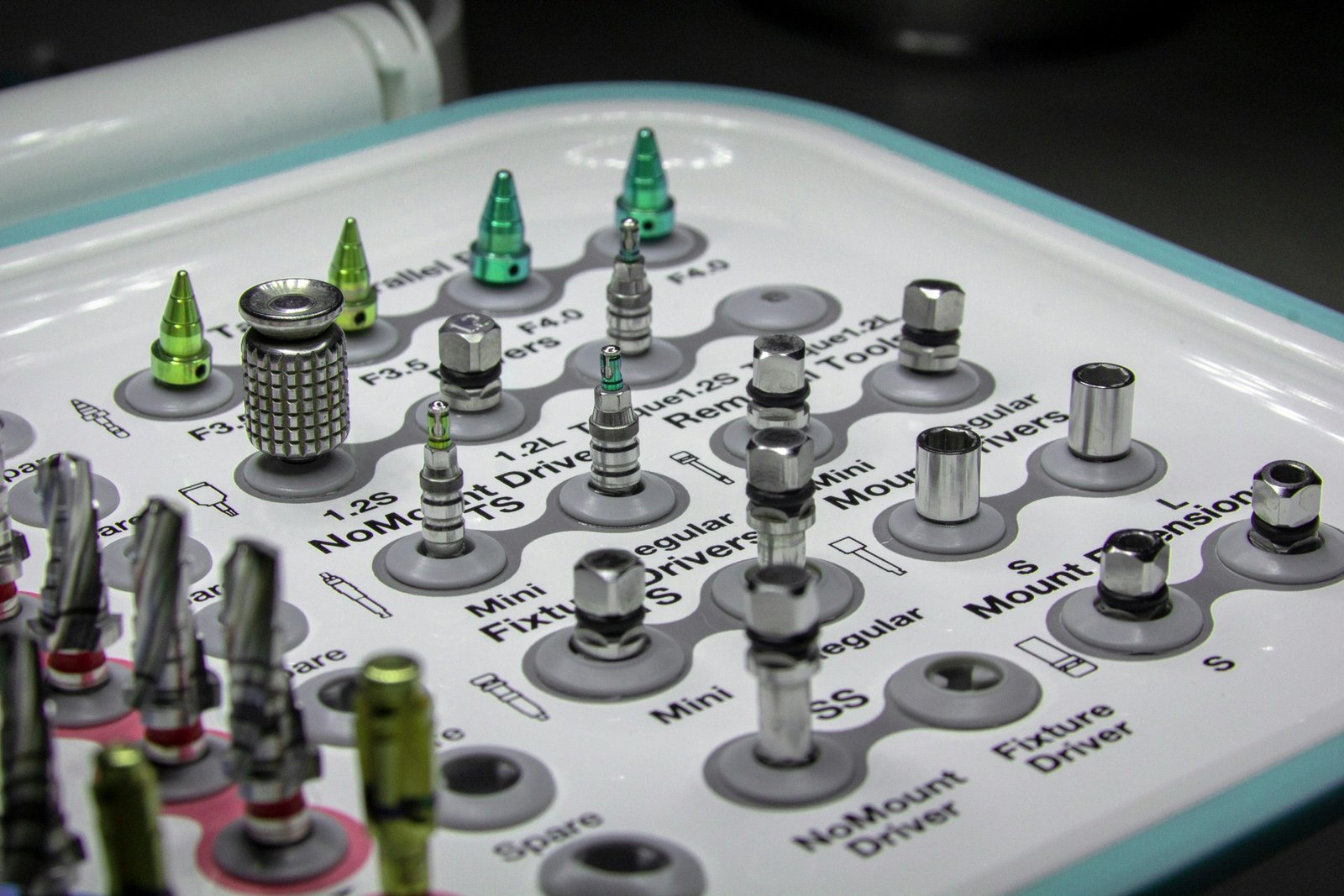
Introduction to Emfyteymata
Emfyteymata serve as a revolutionary solution for individuals experiencing tooth loss, effectively restoring both functionality and aesthetics to their smiles. These implants consist of titanium posts that act as artificial tooth roots. They are surgically implanted into the jawbone, providing a stable foundation for replacement teeth such as crowns, bridges, or dentures.
The primary purpose of dental implants is to replace missing teeth, offering a long-term alternative to traditional dentures or dental bridges. Unlike removable prosthodontics, dental implants are designed to be a permanent solution that integrates seamlessly with the bone. This unique characteristic allows them to offer patients enhanced stability and comfort during everyday activities like chewing and speaking.
Typically, dental implants are crafted using biocompatible materials, with titanium being the most common choice. This metal is favored for its strength, durability, and ability to bond with bone—a process known as osseointegration. When placed correctly, dental implants can replicate the natural tooth’s root structure, providing support that promotes oral health and bone preservation.
The procedure for obtaining dental implants generally involves several stages. Initially, a thorough evaluation is conducted to assess the patient’s oral health and bone density. If necessary, preliminary treatments, such as bone grafting, may be performed to ensure adequate support for the implant. Following this preparatory phase, the titanium post is surgically inserted into the jawbone, after which a healing period allows for osseointegration before permanent restoration can be placed.
In summary, dental implants present a worthwhile investment in oral health, offering both functional benefits and contributing to long-term wellness while addressing the challenges posed by tooth loss.
Enhancing Oral Health with Emfyteymata
Emfyteymata serve as an innovative solution in modern dentistry, significantly enhancing oral health for individuals with missing teeth. One of the primary benefits of dental implants is their ability to maintain proper tooth alignment. When a tooth is lost, it is not just the visible gap that is troubling; the surrounding teeth may begin to shift towards the empty space, leading to misalignment. This realignment can hinder effective chewing, affect speech, and result in long-term oral complications. However, by opting for dental implants, individuals can preserve the existing structure of their mouth and prevent adjacent teeth from shifting.
Moreover, dental implants play a crucial role in maintaining the integrity of the jawbone. When a tooth is lost, the underlying bone may start to deteriorate due to lack of stimulation, a phenomenon known as bone resorption. This bone loss can lead to further complications, including the weakening of facial structures and changes to a person’s appearance, creating a need for additional restorative procedures. By integrating with the jawbone, dental implants stimulate bone growth, thereby helping to preserve its density and strength over time.
The benefits of dental implants extend beyond aesthetics; they contribute significantly to overall oral wellness. The risk of periodontal disease, which can result from misaligned teeth or deteriorating bone structure, is reduced through the stability and integration provided by implants. These factors underscore the importance of dental implants not only as replacements for missing teeth but as vital components in maintaining oral health and preventing further complications.
Bone Preservation Through Emfyteymata
Emfyteymata play a crucial role in bone preservation, effectively mimicking the natural function of teeth and contributing to the overall health of the jawbone. When a tooth is lost, the underlying jawbone begins to undergo a process known as bone resorption. This occurs because the bone tissue requires stimulation to maintain its density and structure; without the presence of a tooth root, the surrounding bone begins to weaken and diminish over time. Dental implants provide this necessary stimulation, promoting bone growth and helping to maintain the jawbone architecture.
Unlike traditional dentures or bridges, which simply rest on the gumline, dental implants are surgically placed into the jawbone. This placement creates a strong foundation that integrates with the bone, allowing for a process called osseointegration. As the body heals, the bone material grows around and fuses to the titanium implant, creating a stable and permanent solution. This interaction not only preserves the bone structure but also encourages new bone formation, thereby countering the adverse effects of bone loss.
Furthermore, maintaining the jawbone is essential for preserving facial structure and preventing the sunken appearance that often accompanies tooth loss. The aesthetic benefits of dental implants are undeniable; they help maintain the natural contours of the face, which can significantly contribute to an individual’s self-esteem and overall well-being. In addition, the preservation of bone through dental implants can facilitate future dental work, should additional implants or restorations be required. Overall, the role of dental implants extends beyond mere tooth replacement, proving to be vital in promoting bone health and preserving the integrity of the facial structure over time.
Impact on Long-term Dental Wellness
Dental implants represent a significant advancement in oral health care, greatly influencing long-term dental wellness for recipients. One of the most notable benefits is the potential to alleviate the need for future dental procedures. Traditional restorative techniques, such as bridges or dentures, often require additional adjustments, replacements, or even more invasive therapies over time. In contrast, dental implants, due to their robust nature and durability, significantly diminish the likelihood of encountering further dental complications or procedures, thereby promoting sustained oral health.
Furthermore, dental implants are designed to integrate seamlessly with the jawbone, providing enhanced stability to the dental structure. Unlike other prosthetics, which can shift or loosen over time, implants maintain their position, allowing for improved oral function and comfort during daily activities. This stability ensures that patients can engage in essential tasks, such as chewing and speaking, without the apprehension often associated with removable dental appliances.
Moreover, the psychological and emotional benefits resulting from the reliable performance of dental implants cannot be overstated. Recipients frequently report an enhanced quality of life due to their restored confidence and the ability to smile and interact socially without embarrassment. The self-assurance gained from having a functional and aesthetically pleasing set of teeth fosters positive interactions and contributes significantly to overall well-being. Ultimately, the impact of dental implants extends beyond mere functionality; they serve as a foundational component of long-term wellness, supporting both health and quality of life.
Aesthetic Advantages of Dental Implants
The aesthetic appeal of dental implants is one of the primary reasons individuals consider this option for tooth replacement. Unlike traditional dentures or bridges, dental implants are designed to resemble natural teeth, providing a seamless appearance that enhances the smile. The materials used in implants, such as titanium and porcelain, allow for a high degree of customization in terms of color, size, and shape, ensuring that the final result harmonizes perfectly with the patient’s existing teeth.
One significant advantage of dental implants is their ability to restore facial contours that may have altered due to tooth loss. The loss of teeth can lead to sagging cheeks and a sunken appearance, which can affect a person’s overall look. Implants provide the necessary support to the facial structure, helping to maintain a youthful appearance over time. This charm not only improves physical appearance but also boosts self-esteem, fostering a more confident demeanor.
Moreover, dental implants offer patients the confidence to engage in social situations without the fear of their restoration shifting or appearing artificial. Many patients report feeling more comfortable in public settings, knowing that their implants replicate the functionality and appearance of natural teeth. This improvement in self-confidence can have far-reaching effects on personal relationships and professional interactions. Additionally, since they are anchored securely in the jawbone, patients can enjoy a full range of foods without worrying about the fragility often associated with removable dentures.
In conclusion, the aesthetic advantages of dental implants encompass more than just visual appeal; they play a crucial role in restoring functionality while significantly enhancing self-image and confidence among individuals. Investing in dental implants can yield substantial long-term benefits for oral health and overall well-being.
The Psychological and Emotional Benefits
Dental implants can significantly influence a person’s psychological and emotional well-being. One of the most profound effects is the improvement in self-esteem that many individuals experience following the procedure. When people lose teeth, it often leads to feelings of embarrassment and insecurity. The introduction of emfyteymata not only restores functionality but also enhances the aesthetics of a person’s smile, allowing them to regain confidence and feel more comfortable in both personal and professional interactions.
Moreover, the restoration of a complete set of teeth through dental implants can lead to substantial psychological shifts. Studies have shown that individuals with dental implants often report a marked decrease in social anxiety. The fear of judgment or negative perceptions when smiling or speaking diminishes, allowing for healthier social interactions. As a result, those who have undergone the procedure may find themselves more willing to engage in social activities, leading to enriched relationships and a more fulfilling social life.
The positive impact of dental implants extends beyond superficial appearances. Emfyteymata can contribute to a more optimistic outlook on life. Individuals who are happy with their smile and confident in their dental health are often more likely to pursue opportunities, take on new challenges, and cultivate a proactive approach towards their overall wellness. This emotional upliftment can trigger a ripple effect, influencing various aspects of life such as career advancement, personal relationships, and mental health. Hence, the decision to opt for dental implants can play a crucial role in enhancing one’s quality of life.
Maintenance and Care of Dental Implants
To ensure the longevity and health of emfyteymata, effective maintenance and care are essential. A primary aspect of caring for dental implants involves maintaining proper oral hygiene. Patients are encouraged to brush their teeth at least twice a day with a soft-bristled toothbrush and non-abrasive toothpaste. Flossing or utilizing interdental brushes is equally important, as it helps to remove any food particles and plaque that can accumulate around the implant site.
In addition to daily oral hygiene practices, regular dental check-ups play a pivotal role in the maintenance of dental implants. It is recommended that patients schedule at least biannual visits to their dentist. During these appointments, dental professionals can conduct thorough examinations, ensuring that the implants are securely anchored and free from infection or other complications. Regular cleanings can also help maintain the physical condition of the surrounding gums and bone, ultimately supporting the health of the emfyteymata.
Lifestyle choices can also significantly impact the health and longevity of dental implants. Patients should be mindful of habits such as smoking and excessive alcohol consumption, as these can interfere with the healing process and overall oral health. Additionally, it is beneficial to avoid hard foods and chewing on non-food items, which can place undue stress on dental implants. A balanced diet rich in vitamins and minerals is also recommended to support bone density and enhance healing.
Ultimately, by adhering to comprehensive oral hygiene practices, attending regular dental check-ups, and making positive lifestyle changes, patients can effectively care for their dental implants, ensuring long-term success and maintaining optimal oral health.
Common Misconceptions About Dental Implants
Dental implants often encounter various misconceptions that may deter individuals from considering them as a viable option for tooth replacement. One prevalent myth is the assumption that dental implants are uncomfortable. In reality, the surgical procedure is generally well-tolerated by patients. Thanks to advancements in dental technology and anesthesia, most individuals report minimal discomfort during and after the procedure. In fact, many compare the pain level to that of a tooth extraction, with a manageable recovery period.
Another common misconception is the belief that dental implants are prohibitively expensive. While it’s true that the initial price of dental implants may appear higher than other tooth replacement options, it’s crucial to consider the long-term benefits they offer. Dental implants are designed to last many years, often a lifetime, thus reducing the need for frequent replacements or adjustments. Additionally, many dental offices offer financing options to make implants more accessible, and insurance plans may cover a portion of the costs, further alleviating the financial burden.
Some individuals also assume that dental implants are only suitable for certain age groups. This is not accurate; dental implants can be an effective solution for adults of all ages, as long as they possess adequate bone density and are in good overall health. Moreover, advancements in bone grafting techniques can allow even younger patients or those with bone loss to benefit from dental implants.
By addressing these misconceptions, individuals can make more informed decisions about their oral health. Dental implants provide significant benefits for both aesthetics and functionality, enhancing overall wellness for those who choose this option.
Conclusion and Future Outlook
In conclusion, dental implants represent a significant advancement in dental restorative procedures, providing numerous benefits for oral health, bone preservation, and long-term wellness. Through their innovative design, they offer a stable foundation for replacement teeth, aiding not only in functional restoration but also in the enhancement of aesthetic appearance. One of the most notable advantages of emfyteymata is their ability to stimulate the jawbone, which is crucial in preventing bone loss that often accompanies tooth loss. By integrating with the jawbone, dental implants effectively mimic natural tooth roots, promoting bone maintenance and overall facial structure.
As technology continues to evolve, the future of dental implants appears promising. Advancements in materials, such as biocompatible substances, are paving the way for even more durable and effective implants. Furthermore, the incorporation of digital technology in the planning and placement of emfyteymata enhances precision and reduces recovery times, which is beneficial for both patients and practitioners. Innovations such as 3D printing are set to revolutionize the manufacturing processes of implants, allowing customized solutions tailored to individual patient needs.
Looking ahead, one can anticipate that the ongoing research will focus on improving the longevity and integration of dental implants while minimizing complications. As dental professionals gain deeper insights into patient-specific factors that affect implant success, personalized treatment plans are likely to become standard. Ultimately, the advancements in dental implant technology not only have the potential to improve clinical outcomes but also aim to significantly enhance the quality of life for patients, affirming the importance of maintaining good oral health and the role of emfyteymata in achieving it.